By Steve Bornhoft
For seven years, John Minor lived in San Francisco, where he grew accustomed to seeing driverless cars moving about the city.
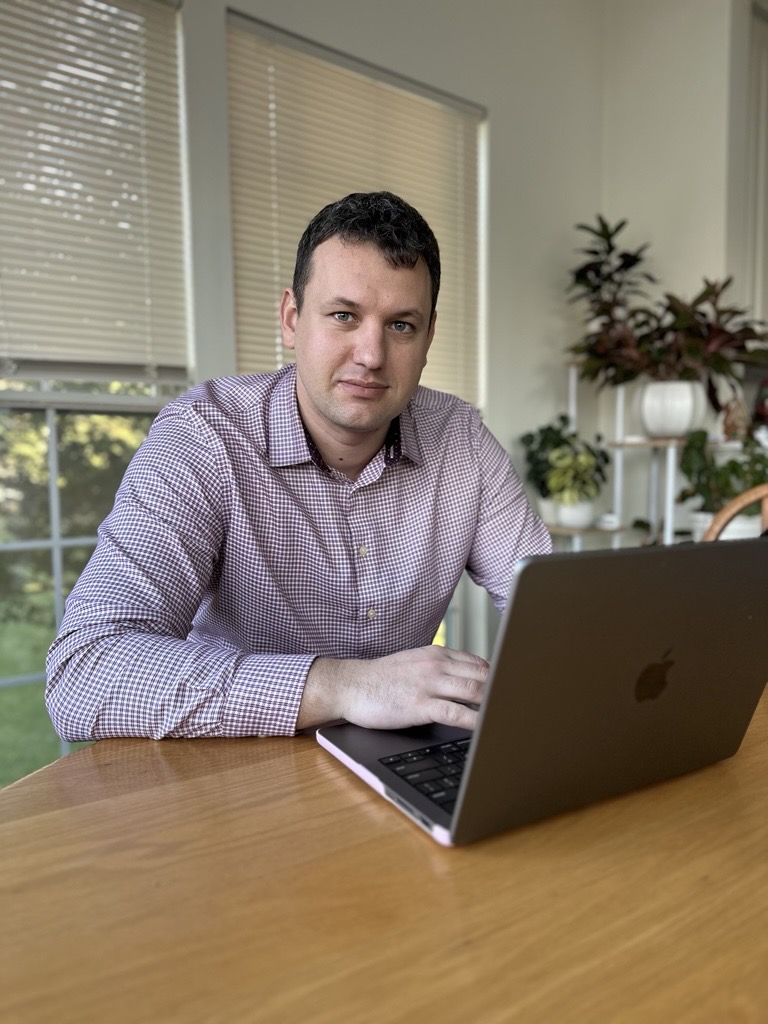
As an advisor and now the CEO at Pensacola-based Tocaro Blue, Minor has gained an appreciation for how primitive marine navigation systems are compared to the technologies that have made autonomous land-based vehicles possible.
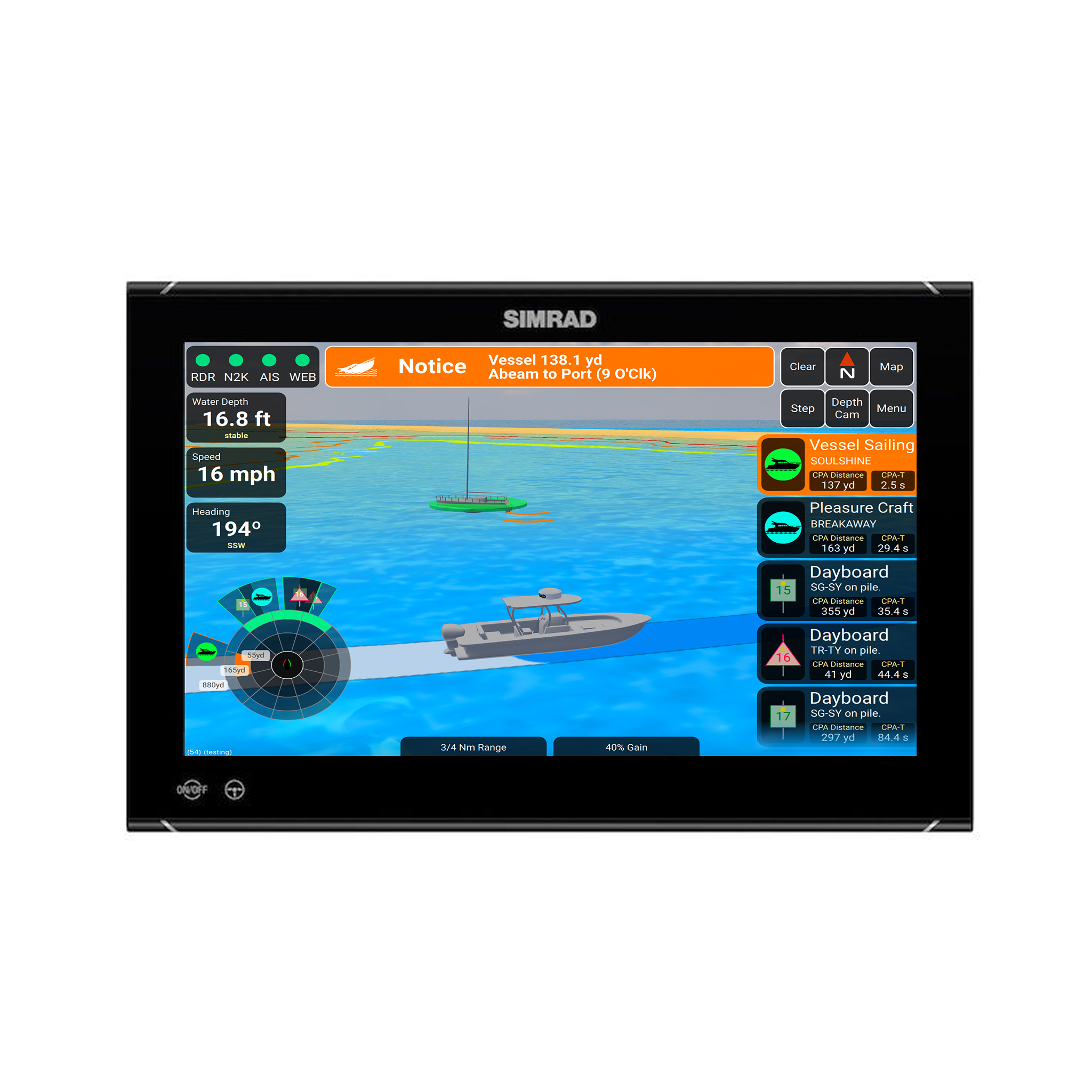
Tocaro Blue is working to close that gap by developing a new generation of AI-powered navigational tools for boaters. Its Proteus product resolves radar data as real objects and constantly monitors bottom contours.
The company is among the nearly two dozen startups in which TechFarms Capital has invested.
Boaters, Minor noted, are dealing with displays that look the same as they did 50 years ago.
“We are reimagining that user experience,” he said. “We’ve developed a 3D, swipe-right, swipe-left interface for navigation. Now, almost like playing a video game, I can navigate my boat. I can pan the area around my boat using my finger. As I approach objects, the cartography comes to life, and I am no longer looking at a 2D map. I’m looking at a 3D view of objects in front of me.”
Serial entrepreneurs and sailing enthusiasts Carol and Tom Patterson launched Tocaro Blue — “Tocaro” is a sandwiching of their first names — in 2019. Tom is a member of the Alabama Engineering Hall of Fame. Minor calls him “startup royalty.”
The seeds for Tocaro Blue were planted, Minor said, when, with Carol running support, Tom sailed across the Atlantic Ocean and back.
“Boaters face many hazards and challenges, and the technology available to them, even today, is underwhelming,” Minor said. “Tom was frustrated that he didn’t have a system that would provide what he wanted, and I think Carol probably turned to him and said, ‘Well, it looks like you need to start a company and build that.’”
Tocaro is fostering a “transformation” as boating catches up with the kind of experience that consumers have with their cars and their phones. Proteus has value for the novice boater, certainly, and for the most experienced captains.
The product brings into clear view objects that the person at the wheel cannot see.
“In thick fog or rain or at night, you can operate very safely because our system is going to give you the same alerts that a jet pilot gets in the cockpit,” Minor said. “In fact, we have a social-media post that compares the instrumentation in a jet and our system.”
Feedback about Proteus has been enthusiastic.
“We’ve had comments from users who were accustomed to standing on the bow of their boat with a spotlight to try and see the channel markers at night,” Minor noted “Now we do that with machine learning and radar. You can see where the buoys are, and all you have to do is maneuver your boat to stay in between them.”
Proteus employs a boat’s depth transducer to provide 3D views of bottom contours, channels and other subsurface features. Based on a vessel’s heading and speed, the system provides boaters with warnings when they are at risk of running aground.
“Our other investors are primarily angel investors and some family offices,” Minor said. “We are very proud to have TFC on our capitalization team.”
In addition to selling the Proteus product, Tocaro Blue is engaged in selling software.
“There are a lot of business-to-business opportunities with radar manufacturers like Garmin or Simrad or Ray Marine,” Minor said. “There is a whole set of electronics players out there who are building radar system displays or even vessel control systems that autopilot. We have taken our software and turned it into a software development kit that allows other developers to build better hardware and firmware and integrate systems with our software.”
Tocaro Blue, then, is a complicated business.
“We are a software, hardware, electrical engineering and machine learning company,” Minor said. “We benefit greatly by working with someone of Steve’s caliber and experience in commercializing and monetizing intellectual property. He understands our business and the challenges we face.”